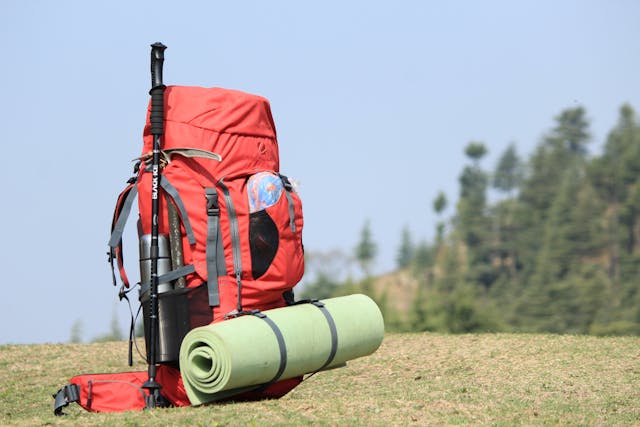
Smart Ways To Protect Outdoor Equipment From Moisture Damage
Outdoor gear works hard for you. Whether you spend weekends on the bleachers with portable stadium seats or set up camp with comfort gear, moisture can shorten the life of every item you pack. You want simple, reliable ways to protect outdoor equipment from moisture damage, and you want solutions that fit real families who store and use gear often. A clear plan helps you keep gear dry, ready, and clean for the next trip.
How To Protect Outdoor Equipment From Moisture Damage With Practical Daily Habits
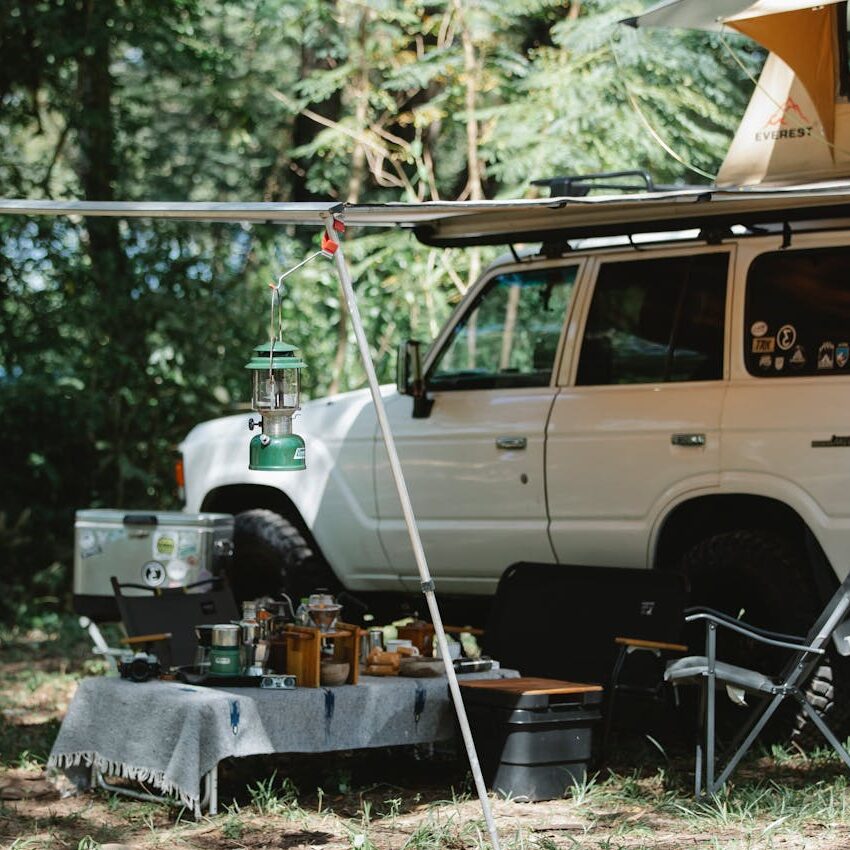
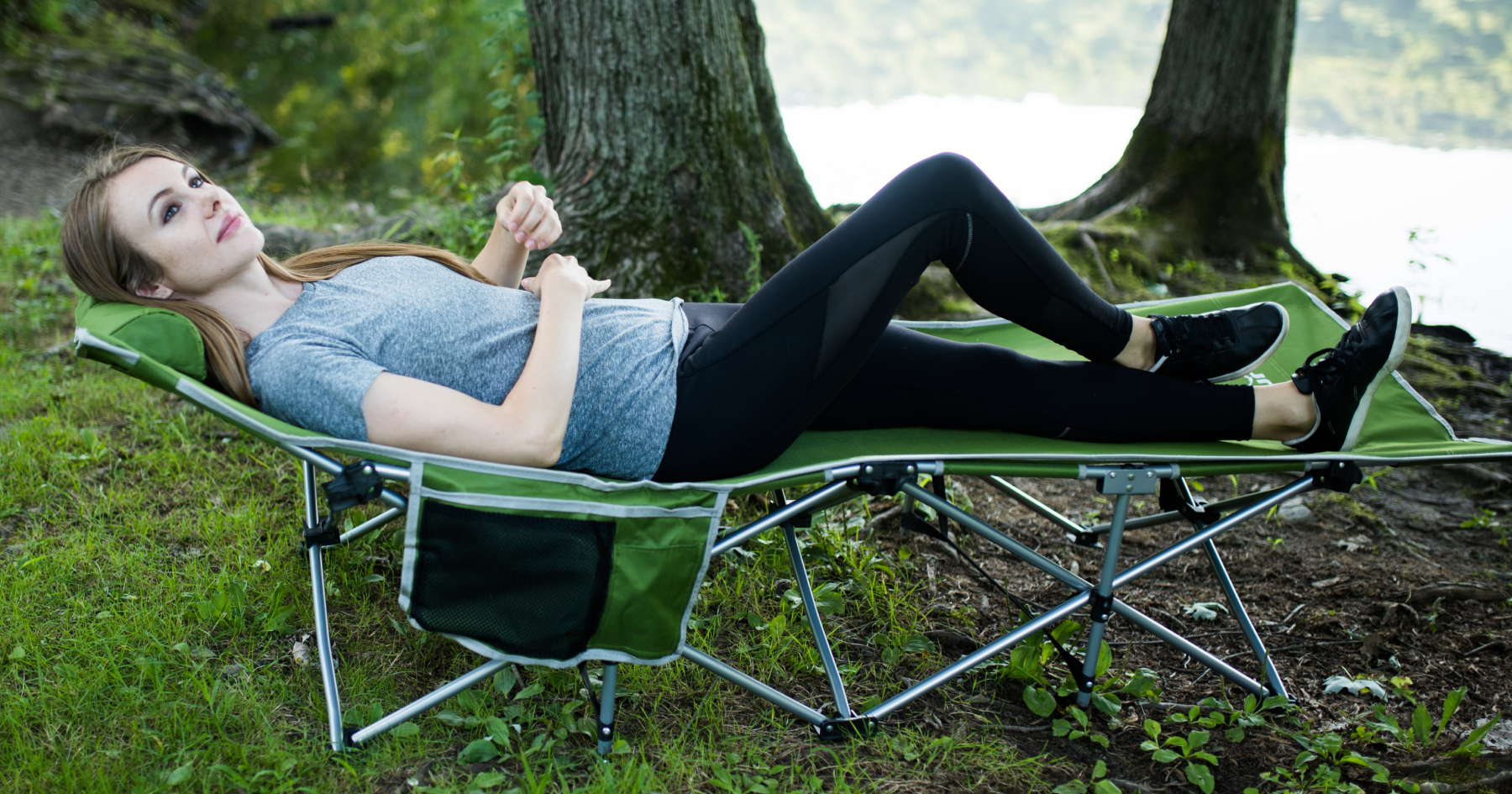
Moisture shifts fast outdoors. Morning dew, sudden rain, and ground condensation all affect fabric, metal, and padding. You can control most of that exposure with habits that work across sports events, tailgates, and camping weekends. These habits support comfort gear from brands such as Alpcour, whose portable chairs, sleeping gear, and travel accessories are often used to spend hours on wet turf, cool bleachers, or damp soil.
Pick Weather-Resistant Materials To Reduce Risk
Gear made from quick-dry fabrics and rust-safe framing stands up better during long days outside. Choose seats, covers, or camp accessories that use coated polyester, treated foam, or sealed stitching. These materials shed droplets fast and dry without trapping moisture inside creases.
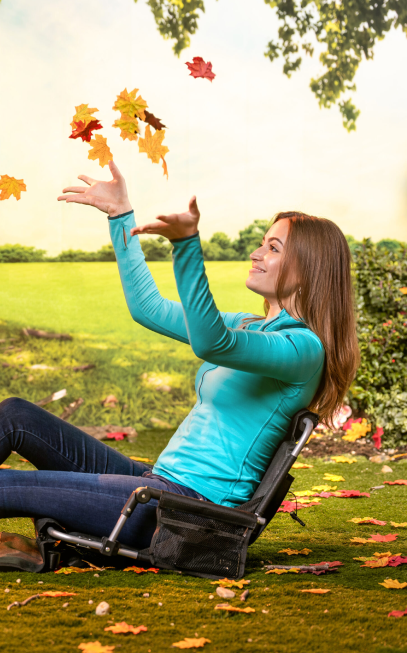
Sports parents often use portable stadium seats at rainy soccer games. A coated bottom and sealed seams protect the padding from absorbing water. After the match, shake off excess moisture and let the seat air out before storing it.
Store Gear Off The Floor
Keep items off concrete floors, which often collect moisture. Use shelves, hooks, or stackable bins. Raise gear with pallets or low platforms if you have limited space.
This step helps you avoid ground moisture creeping into bags or fabric covers. It also makes gear easier to grab during busy mornings.
Create an Organized Storage System That Reduces Moisture Risk
Long-term storage needs a clear plan to reduce moisture exposure and keep your space efficient. You can make the most of the space by sorting gear by season and activity. Use breathable bins and place moisture absorbers inside, and regularly check your storage. These organization pointers for storage units help you maintain airflow and prevent hidden damp spots.
Many people also pick storage accessories that help them protect outdoor equipment from moisture damage without adding clutter. This organized method supports easy access, reduces dampness, and keeps equipment in reliable shape for sports weekends and camping trips.
Use Proper Ventilation During Storage
Airflow protects gear long after you pack it away. Moisture sits inside gear bins and sheds if the air stays still. Pick storage spots with circulation. A garage shelf with space around the bins is better than a corner blocked by boxes.
Leave lids slightly open for a short time after loading gear. This small step lets trapped humidity escape before you move bins back to long-term spots.
Dry Items Before You Store Them
Drying gear helps prevent mold and corrosion. Spread out wet items as soon as you finish a game or an outdoor trip. Wipe off the water with a clean cloth. Let padding, fabric, and metal dry fully before folding anything.
Portable camp chairs, for instance, often trap moisture where the fabric wraps around the frame. Open the chair, extend each joint, and face it toward circulating air. A quick dry session saves you from dealing with musty odors or early rust.
Create A Moisture-Safe Packing System
A simple packing method keeps gear organized and dry. Use waterproof bags for items that stay close to the ground. Keep small items in sealed pouches. Separate wet gear from dry gear so you avoid moisture transfer.
Families who camp often place sleeping pads, blankets, and comfort cushions in roll-top dry bags. Portable stadium seats pack well in breathable mesh bags. This keeps airflow steady and prevents damp padding from sitting against other items.
Use Protective Barriers For Ground Contact
Most moisture that harms gear comes from the ground. Dirt, grass, and gravel often hold hidden wet spots. A barrier adds protection without adding bulk.
Place a tarp, foldable mat, or waterproof cloth under chairs, pads, tents, and bags. Products such as Alpcour camping pads perform well when you place a simple barrier under them. This prevents moisture from creeping into the foam or stitching during long hours outside.
Use Moisture Absorbers For Extra Safety
Small moisture absorbers help keep bins and shelves dry. Silica gel packets, charcoal bags, or reusable drying blocks work well in most storage areas. Place them near fabric items or metal frames.
Replace these absorbers on a schedule. If you use the gear weekly, check the absorbers every month. Campers who store gear all winter should check before and after the season.
Clean Gear Often To Prevent Long-Term Damage
Moisture often mixes with dirt or outdoor debris, causing stains or slow corrosion. A simple cleaning plan solves this issue.
Wipe seats, pads, and frames after each use. Brush off dried mud. Spot-clean stains with gentle soap. Dry all items after washing. Clean gear stays better protected and does not hold moisture deep in the fabric.
Weatherproof Your Outdoor Storage Spaces
If your shed or garage has gaps that let in moisture, seal them to reduce exposure. A weather strip or sealant prevents water from entering during storms. A small fan or vent helps maintain airflow.
Outdoor families who store camp chairs or sports gear in a shed can add a simple vent to support circulation. This reduces condensation after temperature shifts.
Use Quick-Dry Covers During Events And Trips
Events run in all conditions. Portable outdoor gear benefits from quick-dry covers that fit over seats, pads, or bags. These covers help you shield gear during sudden weather changes. Slip the cover on during a rain shower, then shake it off and fold it when the weather clears. This habit also keeps your hands and clothing dry since damp gear often transfers moisture during transport.
Check Gear Regularly For Early Signs Of Damage
Early signs of moisture damage include soft spots, stubborn damp patches, musty smells, or small rust marks. Inspect gear often. Early action prevents serious problems.
Suppose you find moisture trapped inside the padding, open the seams slightly, and let air flow through if metal parts show rust, clean and dry them before it spreads.
Rotate The Gear So It Dries Evenly
If gear stays packed in the same position for weeks, moisture may remain in hidden areas. Rotate bins or bags occasionally. Flip portable chairs or pads to help them dry evenly. Shake out gear every few weeks if stored long-term. This prevents moisture pockets and supports stronger fabric over time.
Final Words: Simple Habits Help You Protect Outdoor Equipment From Moisture Damage
Outdoor gear supports sports weekends, camping trips, and family events. Moisture shortens its life, but small steps keep gear strong and ready. You can protect outdoor equipment from moisture damage by choosing smart materials, storing gear with airflow, drying items after use, and using simple barriers during events. These methods work well for active families who use portable stadium seats, camp pads, and comfort gear often. A consistent plan keeps your equipment safe, clean, and ready for the next outing.