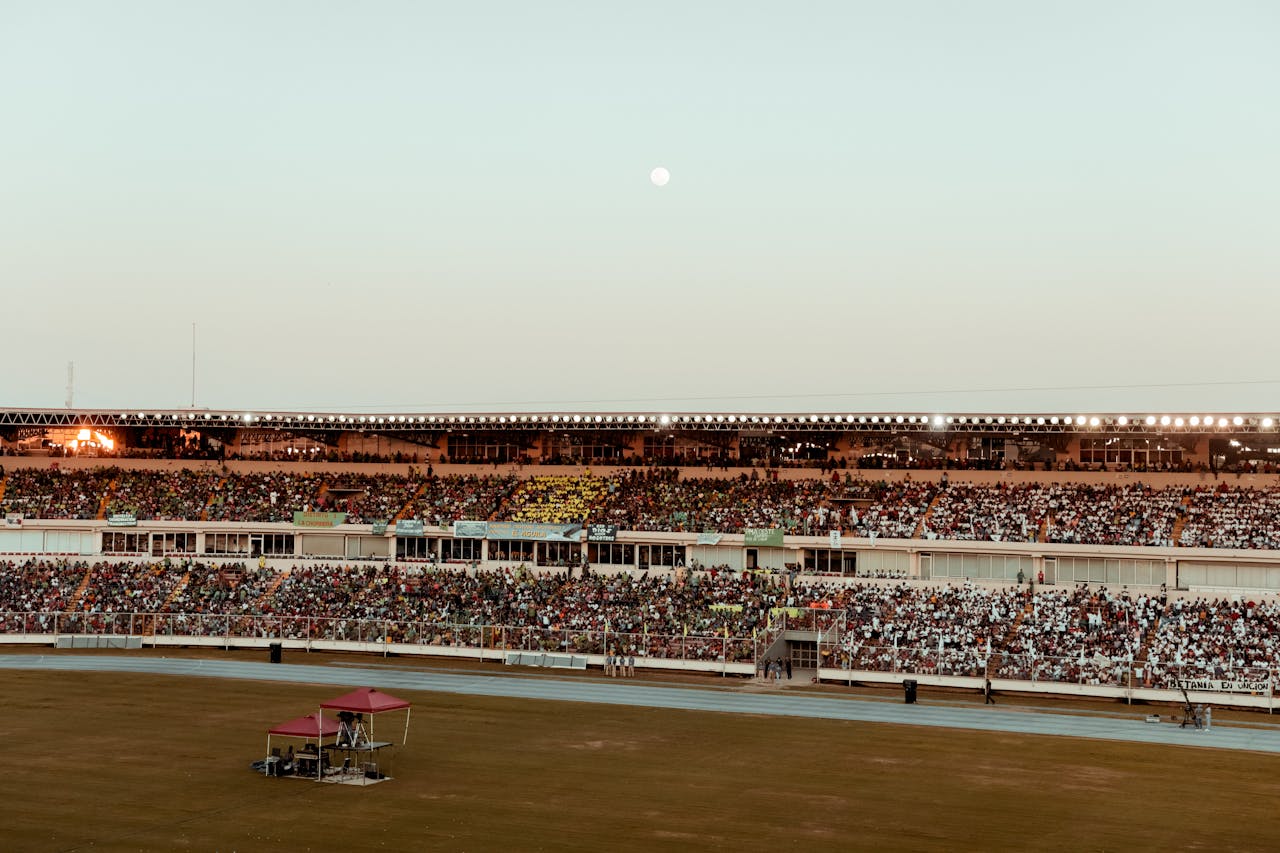
How to Stay Comfortable During Long Sports Events
Most people arrive at an all-day tournament or marathon match with plenty of enthusiasm — and leave exhausted, sore, and wishing they had planned better. Knowing how to stay comfortable during long sports events is less about willpower and more about preparation: the right seat, the right bag, the right layers, and a hydration rhythm you actually stick to. Whether you are in the bleachers for eight hours or coaching on the sideline through back-to-back games, small decisions made before the first whistle determine how you feel during the last one.
Does Your Seating Make or Break a Long Event?
Yes, more than almost anything else. Hard bleachers without support put compressive stress on the lower spine within the first hour. By hour three, that discomfort has spread to the hips, shoulders, and neck, pulling focus away from the event entirely.
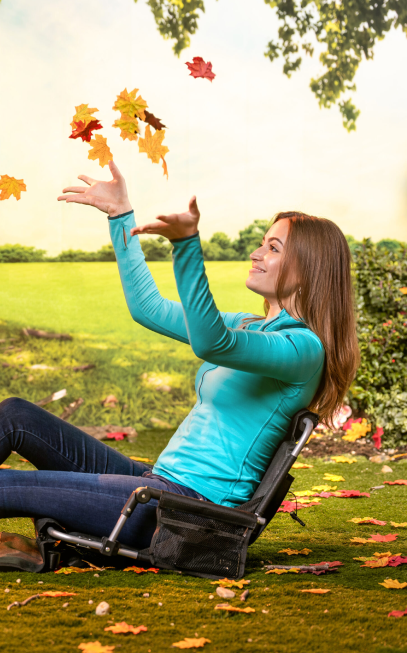
A portable stadium seat with a padded backrest and reclining positions addresses this directly. It allows you to shift your posture throughout the day rather than hold a fixed position that fatigues the same muscles on repeat. The bleacher hooks, armrest width, and recline angles separate seats built for long events from basic cushions that wear out by halftime.
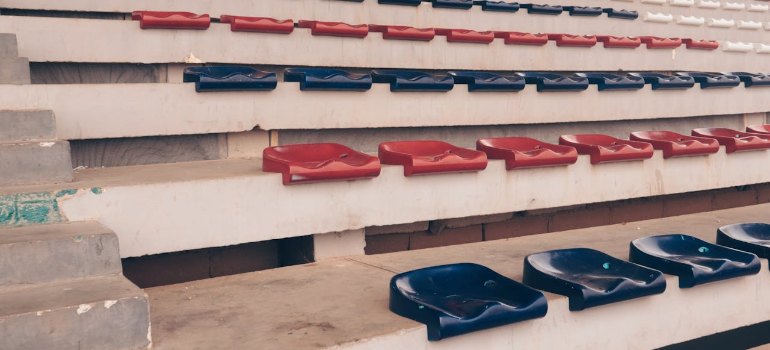
Supportive seating helps reduce fatigue during long hours in the stands.
What Should You Pack for an All-Day Sports Event?
Pack in categories, not by instinct. Most people forget something essential not because they were careless, but because they packed randomly. Divide your bag into four zones: hydration and fuel, clothing layers, first aid and personal items, and event essentials like tickets, sunscreen, and a portable charger.
Think beyond the event day itself. Sports seasons mean gear cycles in and out of use, and storing your gear properly between tournaments keeps equipment clean, protected, and ready without cluttering your home in the meantime. On the day itself, keep your bag light — bring what you will actually use, and leave the rest.
How Can You Manage Energy and Hydration Throughout the Day?
Eat before you feel hungry; drink before you feel thirsty. Both signals arrive late, which means by the time you notice them, your energy and concentration have already dipped.
For food, aim for slow-releasing options: nuts, whole grain crackers, fruit, and protein-based snacks. Avoid high-sugar options that spike and crash. For hydration, set a rough schedule. A few sips every 20 to 30 minutes works better than drinking large amounts infrequently. If the event runs more than two hours in warm weather, an electrolyte drink helps replace sodium lost through sweat.
How Does the Weather Affect Your Comfort at Outdoor Events?
Weather is the variable most spectators and participants underestimate. A clear morning can turn cold and windy by afternoon. Humid heat at noon can feel bearable until it catches up with you at hour five.
Cold conditions require layering that you can adjust, not just a single heavy jacket. The cold-weather camping gear that improves comfort and safety applies directly to outdoor stadium settings — insulated base layers, wind-resistant outer shells, and heated seating accessories all translate from camping to all-day events. For heat, prioritize shade during breaks, ventilated clothing, and a wet cloth or cooling towel if temperatures are high.
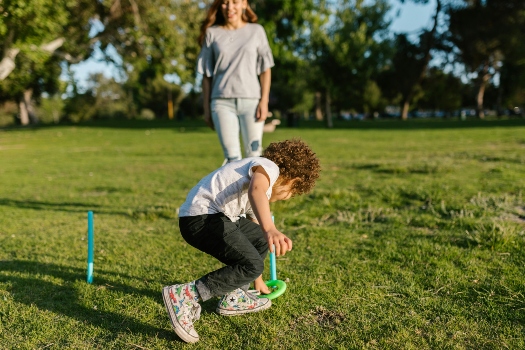
A little planning makes long tournament days easier from start to finish.
What Clothing Choices Help You Last All Day?
Fabric matters more than style at a long event. Moisture-wicking synthetic fabrics and merino wool pull sweat away from the skin and dry quickly. Cotton holds moisture and becomes heavy and cold once wet. That’s not a good companion for an unpredictable outdoor day.
Footwear is the other critical variable. Feet bear cumulative impact hour by hour, and sore feet create a kind of whole-body fatigue that is disproportionate to the actual injury. Choose shoes you have already broken in, with cushioning suited to hard surfaces like concrete or aluminum. The footwear for healthy feet emphasizes that appropriate footwear and clothing reduce injury risk and improve sustained performance, whether you are competing or just on your feet all day.
How Do You Protect Your Gear Between Events and Seasons?
Good gear earns its cost over multiple seasons — but only if it is stored correctly. Folded stadium seats left in a damp garage develop mildew. Bags with leftover snacks attract pests. Waterproof gear loses its coating when stored compressed or near heat sources.
Alpcour’s guide on protecting outdoor equipment from moisture damage offers practical steps: dry everything fully before storage, use breathable bags or bins, and keep gear away from direct sunlight and humidity. These habits add years to the life of the equipment you depend on every season.
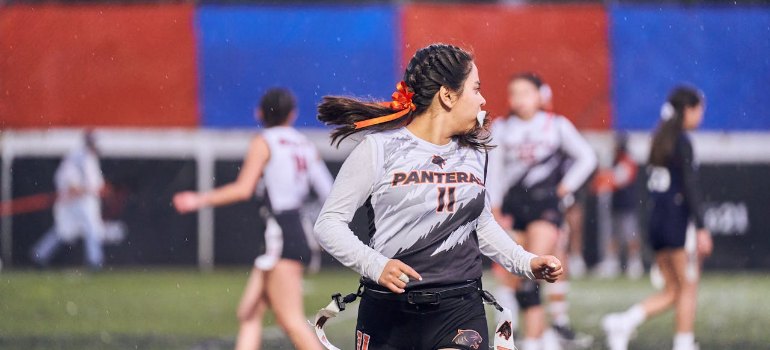
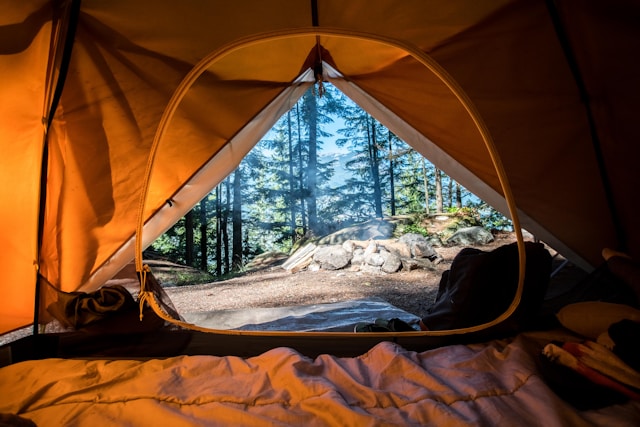
Changing weather conditions can quickly affect comfort and focus at outdoor events.
Make Every Long Event Worth the Full Day
The difference between leaving an all-day event energized and leaving depleted almost always comes down to preparation. When you know how to stay comfortable during long sports events — with the right seat, a packed bag that covers every variable, consistent fueling, and gear that lasts — you can give full attention to what actually matters: the competition, the team, and the moments worth being there for. Start with one area, build the routine, and adjust as you go.