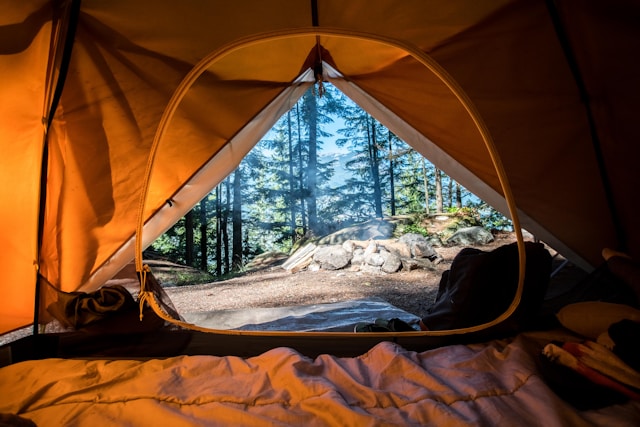
Eco-Friendly Camping: Simple Swaps for Sustainable Adventures
A great outdoor trip does not need piles of disposable gear, single-use packaging, or a car full of items that only serve one purpose. Eco-friendly camping starts with smarter choices that improve comfort, reduce waste, and make every trip feel easier to manage. Many outdoor families already buy flexible gear through trusted sporting goods collections, and that same mindset works well for greener camping. A padded portable stadium seat, for example, can support long afternoons at youth sports, weekend tailgates, and evenings by the campfire. When gear works in more than one setting, it gets used more often, lasts longer, and earns its space at home.
Why Small Swaps Matter at the Campsite
Sustainable camping often sounds bigger and harder than it really is. In practice, the best changes are small ones that fit into the way people already camp. Replacing throwaway products with reusable basics lowers trash, saves money across the season, and makes packing more organized. It also helps families avoid the stress of buying new supplies before every trip.
Comfort plays a big role here. Campers are more likely to stick with better habits when the setup feels simple and inviting. A foldable seat with back support, a compact blanket, or a portable table can improve the experience without adding waste. That is why durable comfort gear matters so much. A well-made product that works at a campground, a sports field, or a picnic site supports a low-waste lifestyle in a realistic way.
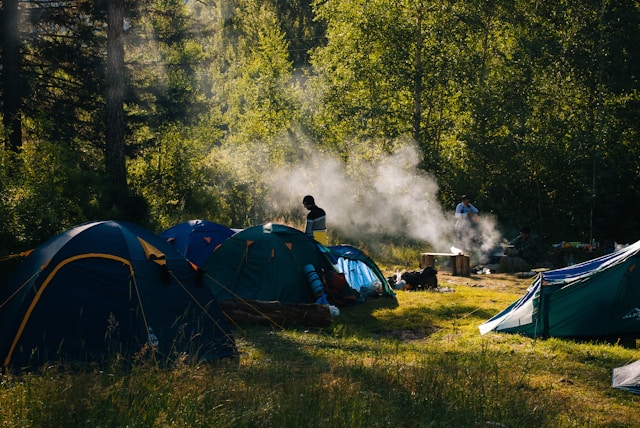
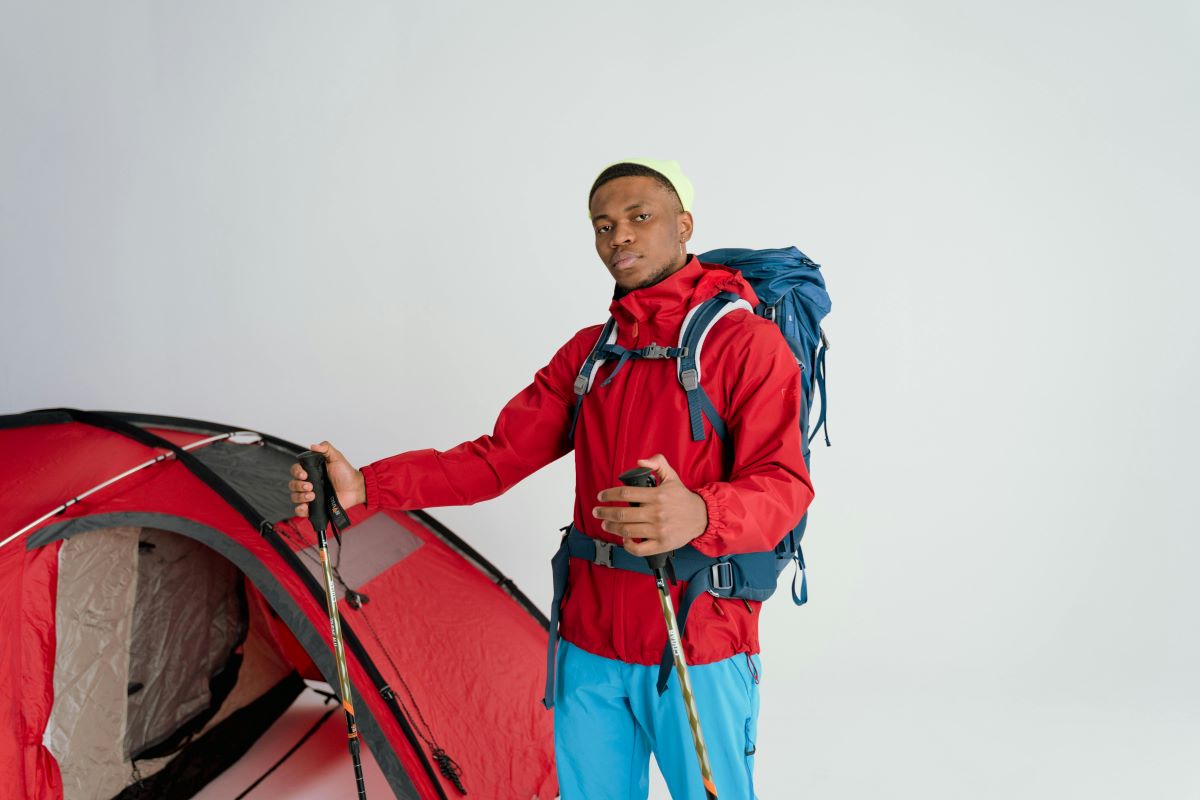
Eco-friendly camping is not difficult to achieve
Pack Smarter With Reusable Essentials
One of the easiest ways to build a greener setup is to rethink what goes into the car before you leave home. Instead of picking up disposable items on the way, pack durable products made from more sustainable materials that can handle repeated use across many trips. Refillable water containers, washable cloths, reusable food boxes, and rechargeable lanterns all help cut waste while making camp life easier. Eco-friendly camping feels much more manageable when the goal is consistency, not perfection.
Storage matters just as much. Reusable bins, soft-sided organizers, and stackable containers help families sort cooking items, clothing, and comfort gear without depending on thin plastic bags. Some campers even repurpose [eco-friendly moving supplies] to separate kitchen tools, sleeping gear, and outdoor accessories before a trip. That simple system speeds up loading, keeps essentials easy to spot, and lowers the chance of damaged or forgotten items.
Practical gear choices also make a real difference. A portable stadium seat with a carry strap can ride in the car with coolers and food totes, then move from campsite seating to a sideline chair at the next family event. That kind of crossover use gives each purchase more value and helps families avoid collecting extra gear that sits unused for most of the year.
Choose Comfort Gear That Lasts
Long-lasting gear is one of the smartest investments any camper can make. Cheap items often fail after a season, which leads to extra spending and more waste. Better-made comfort products do the opposite. They stay useful, travel well, and keep outdoor trips enjoyable enough that families want to go again. That is especially true for items that solve common problems like back support, cold ground contact, and messy seating around the fire.
Portable padded seating is a strong example. Stadium seats are not just for bleachers. They work well on campsite benches, near tents, around fire rings, and at outdoor movie nights. Parents appreciate the support during longer evenings, and kids benefit from having a defined, comfortable place to sit. Gear with that kind of flexibility fits naturally into a sustainable routine because it reduces the need for separate products for every event.
Good storage habits also extend the life of outdoor gear. Moisture, dirt, and poor packing can wear down padding, fabric, and metal frames much faster than expected. Learning how to protect outdoor equipment from moisture damage helps keep chairs, mats, and camp accessories in good condition between trips. When gear stays dry, clean, and ready to use, campers replace it less often and get more value from every piece they own.
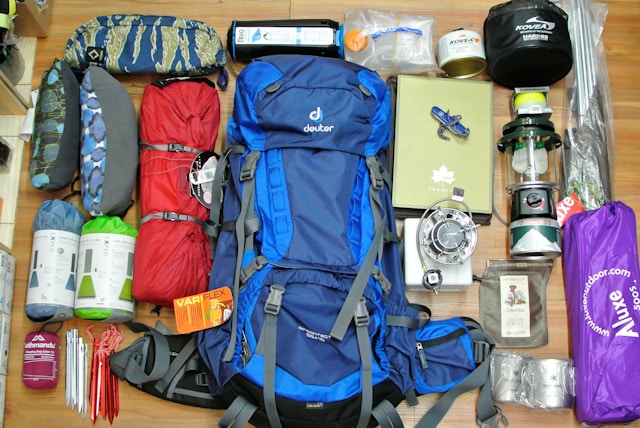
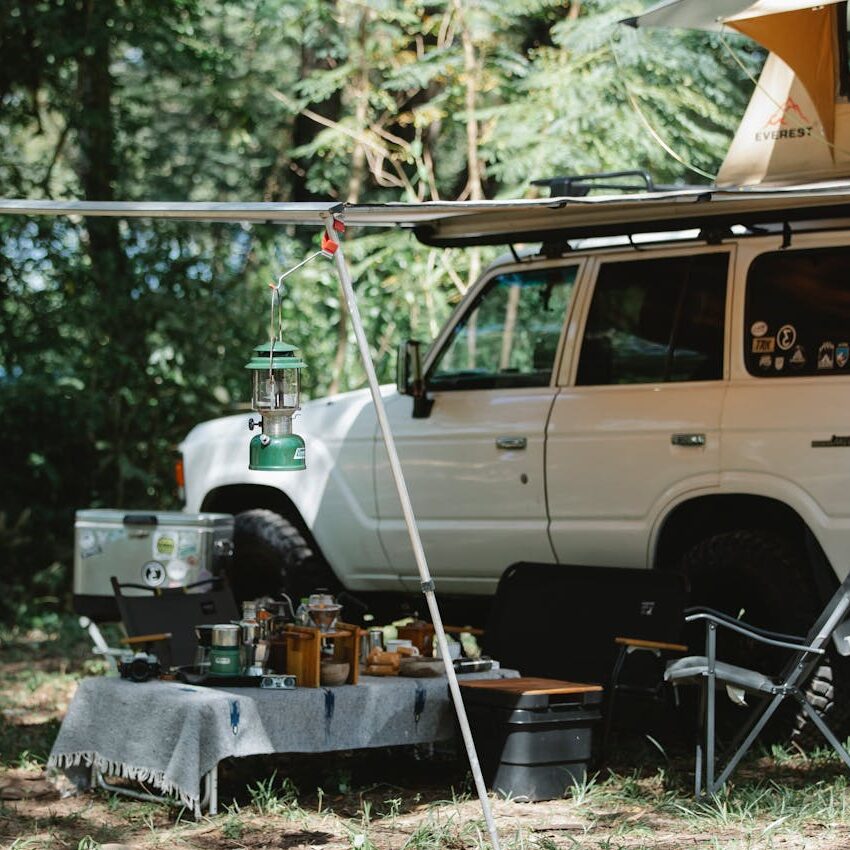
Choose comfort
Build Better Habits Once Camp Is Set Up
Packing smart is only part of the equation. Daily habits at camp matter just as much. The goal is to create routines that feel easy enough to repeat every time. Use refillable bottles instead of buying cases of water at the last minute. Prep meals at home in reusable containers so the campsite stays cleaner. Bring washable cloths for wiping tables and hands. Keep trash and recycling separate from the start so cleanup takes minutes, not an hour on departure day.
Here are a few habits that make a real difference without complicating the trip:
- bring a refill station for water and drinks
- pack reusable plates, cups, and food containers
- choose rechargeable lanterns or headlamps
- keep one bag for recyclables and one for trash
- use multipurpose gear that works at camp and at games
- leave the site cleaner than you found it
These steps are simple, but they build momentum. Kids notice them, repeat them, and start to connect outdoor fun with outdoor care. That is one reason eco-friendly camping works so well for families. It teaches responsibility through action, not lectures, and it does so in a setting people already enjoy.
Plan for Colder Trips Without Overpacking
Sustainable camping does not end when temperatures drop. Cooler weather can actually push campers to buy too much, duplicate what they own, or rely on bulky items that are hard to store. A better approach is to choose gear that handles more than one season. Layered clothing, insulated drink containers, thermal blankets, and padded seating all help campers stay warm without filling the trunk with unnecessary extras.
Versatile seating matters here too. A cushioned seat keeps campers off cold benches, damp logs, or frozen bleachers, whether they are at a fall campsite or a weekend game. Families shopping for cold weather camping gear can get more value by choosing products that support both recreation and everyday outdoor use. When one product serves several roles well, it reduces clutter and strengthens the case for buying fewer, better things.
Cold-weather planning also works best when gear is stored with care after each outing. Dry fabrics fully, clean off mud, and pack items in a way that keeps them ready for the next trip. Those simple steps protect comfort products and keep seasonal packing from turning into a yearly reset.
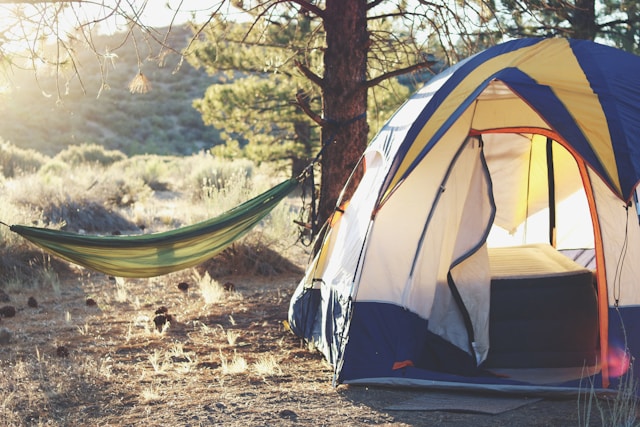
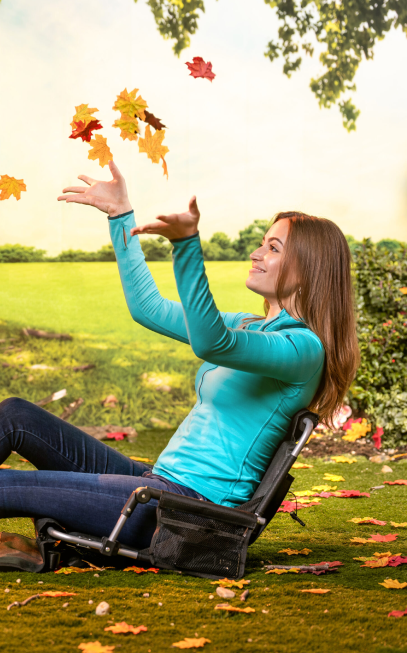
You don’t have to overpack for a colder trip
Eco-Friendly Camping – A More Comfortable Way to Camp Responsibly
Sustainable outdoor travel does not have to feel strict or expensive. The most effective changes are often the ones that improve comfort and convenience at the same time. Reusable containers, better storage, supportive seating, and durable family gear all help reduce waste while making the trip smoother from start to finish. Eco-friendly camping is not about giving up the fun parts of camp life. It is about choosing products and habits that help people enjoy the outdoors again and again, with less waste and more comfort each time.