Cold-Weather Camping Gear That Improves Comfort And Safety
Cold-weather camping pushes gear to perform when temperatures drop, winds rise, and daylight fades fast. Smart preparation shapes the entire experience and reduces avoidable risks. Campers rely on insulation, reliable heat, stable shelter, and smart power choices during winter trips. Poor equipment decisions often lead to cold injuries, poor sleep, or early trip endings. Cold-weather camping gear that improves comfort and safety supports warmth, energy management, and confidence outdoors. Well-designed products help maintain body heat, protect against moisture, and simplify tasks with gloves on. Thoughtful gear choices allow focus on terrain, weather changes, and safe decision-making.
Insulated Sleeping Bags for Cold Nights
Cold nights demand sleeping bags designed for reliable heat retention and moisture control. Temperature ratings based on ISO standards help campers choose appropriate protection. Synthetic insulation performs well during damp conditions and resists heat loss. Shape also matters, since tapered designs reduce empty space and conserve warmth. Additionally, durable outer shells block wind and resist condensation buildup. These features support staying dry and comfortable in unpredictable outdoor weather without constant adjustments. Zippers with draft tubes prevent cold air leaks. Overall, a dependable sleeping bag supports deeper rest, better recovery, and safer winter camping decisions.
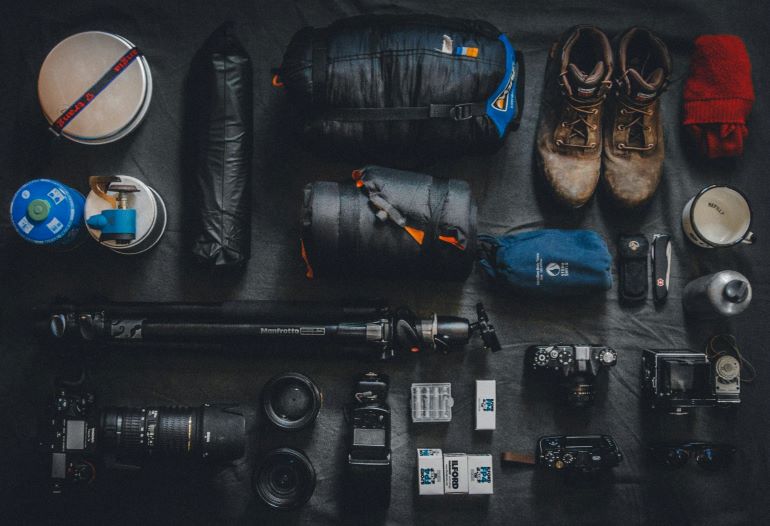
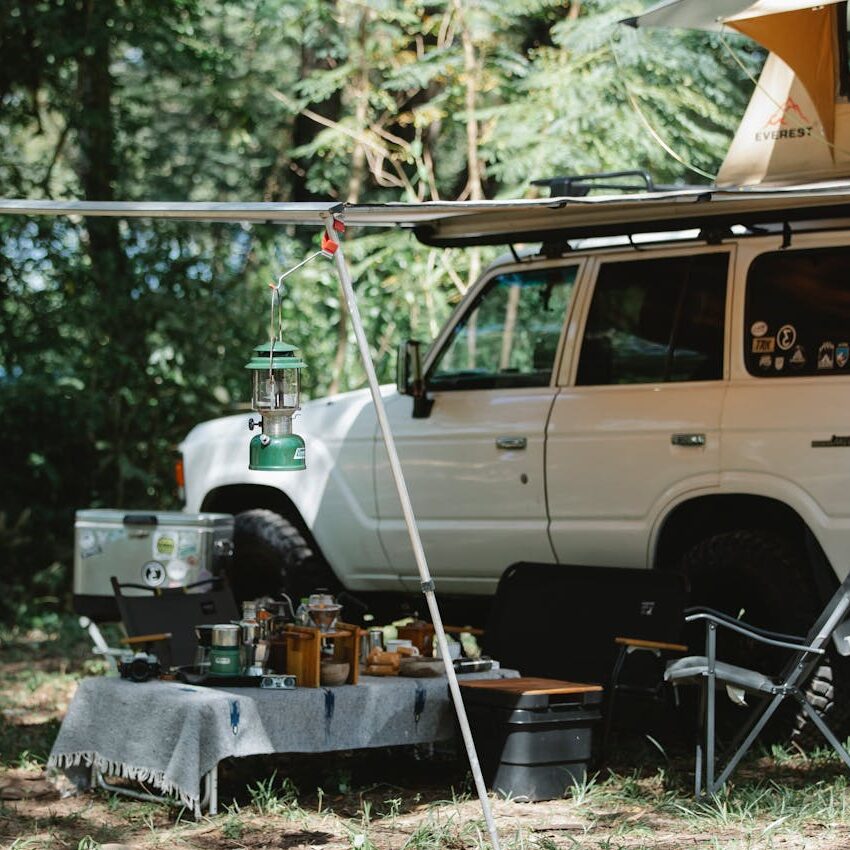
You’ll need an organized flat lay of winter camping essentials to get ready for cold conditions.
High-R-Value Sleeping Pads for Cold Ground
Cold ground drains body heat faster than winter air, so proper insulation below matters. High-R-value sleeping pads reduce heat transfer through frozen soil. Foam cores resist compression and continue insulating during long nights. Inflatable designs add cushioning while trapping warm air layers. Additionally, textured surfaces prevent sliding inside the tent. Pads with cold-rated materials maintain performance during temperature drops. Therefore, reliable ground insulation improves sleep quality and morning energy. Better rest also supports safer movement and sharper focus during cold-weather camping trips.
Shelter Stability and Controlled Heat in Winter Camps
Winter shelters must handle wind pressure, snowfall, and rapid temperature shifts. Four-season tents use stronger poles and lower profiles for improved stability. At the same time, outdoor-rated propane heaters add comfort during inactive periods. Safety features like tip-over protection support responsible heat use. Between trips, gear condition matters as much as field performance. Storage services help protect tents and heaters from moisture damage and material fatigue. Clean, dry storage extends fabric coatings and fuel system reliability. Proper organization also simplifies access when preparing for colder outings. This attention explains the importance of storing your camping gear correctly between seasons. Back at camp, controlled heat and solid shelter reduce cold stress. Together, both elements support safer winter nights and better overall endurance.
Cold-Weather Cooking Systems That Perform Reliably
Winter meals require cooking systems designed for low temperatures and wind exposure. Cold reduces fuel pressure and affects ignition reliability. Therefore, liquid fuel stoves maintain steadier performance during freezing conditions. Wind-resistant burners also help conserve fuel and speed boil times. Cookware with insulated walls retains heat longer and reduces energy waste. Midway through camp routines, cold-weather camping gear that improves comfort and safety supports consistent meal preparation. Hot food boosts core temperature and energy levels. Stable stove bases reduce spill risks on snow-covered ground. Overall, dependable cooking systems improve hydration, nutrition, and morale during demanding cold-weather trips.
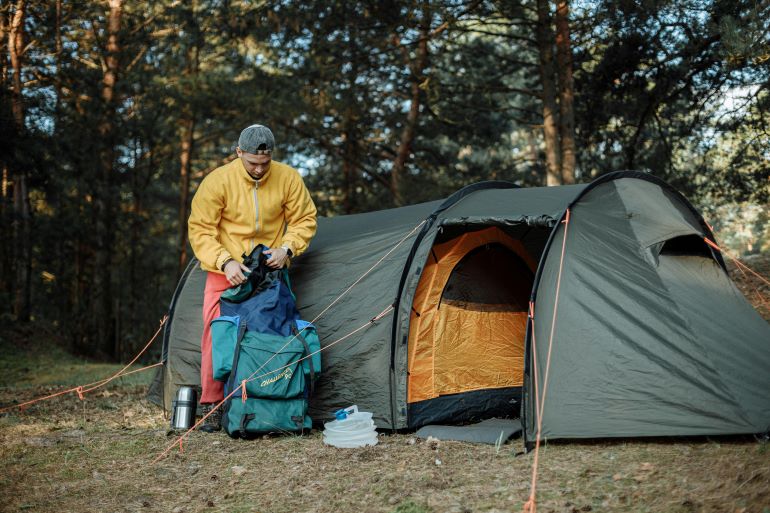
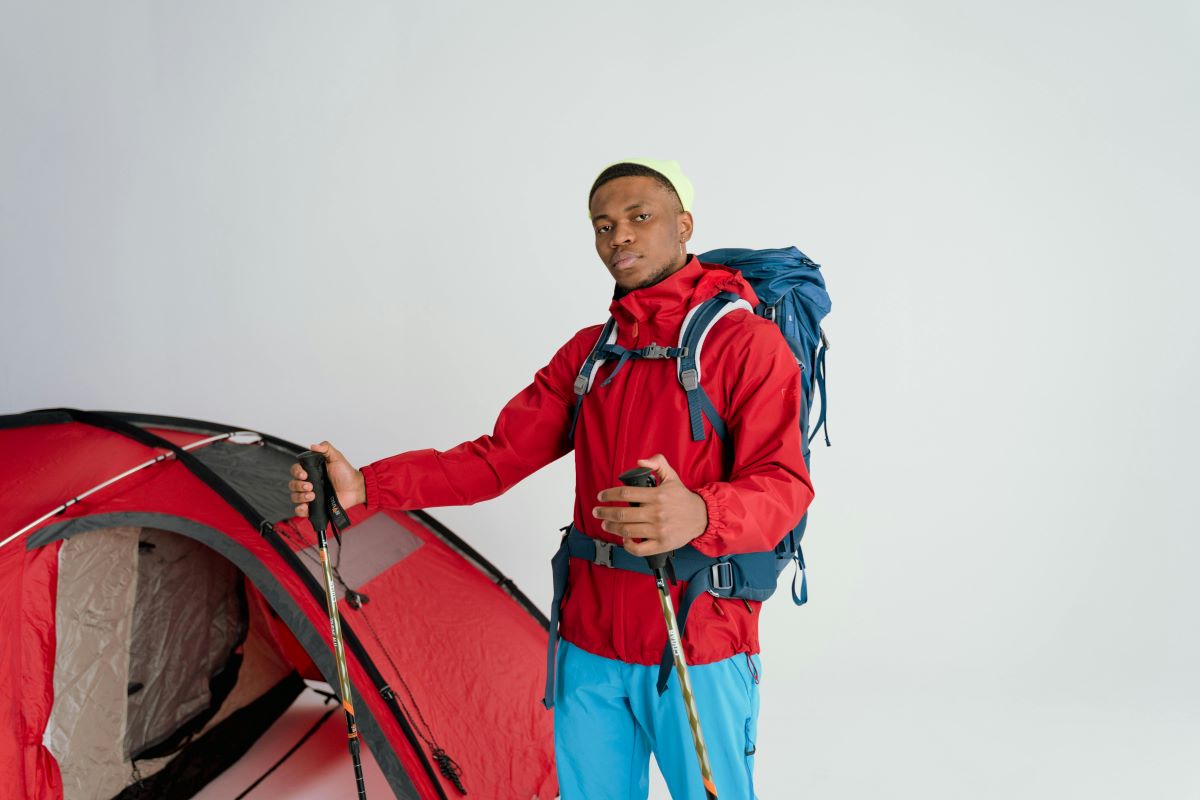
Make sure to get prepared for changing outdoor conditions.
Layered Clothing and Insulated Footwear for Cold Terrain
Cold-weather clothing works best through smart layering and proper fit. Base layers move moisture away from the skin to reduce chill. Next, insulating mid-layers trap warm air without restricting movement. Shell layers block wind and snow during exposure. Footwear plays an equal role in overall warmth and balance. Insulated boots protect against frozen ground and reduce heat loss through the soles. Midway through long treks, reliable gear supports exploring the outdoors with confidence. Waterproof materials keep feet dry during snowmelt crossings. Together, proper layers and insulated footwear support comfort, mobility, and safer movement across winter terrain.
Lighting and Emergency Cold-Weather Camping Gear for Winter Readiness
- Headlamps provide consistent visibility during long winter nights and early mornings.
- Lithium batteries perform reliably in cold temperatures and maintain power longer.
- Adjustable brightness levels help conserve energy during routine camp tasks.
- Wide beams improve depth perception during snowfall or fog.
- Emergency bivy sacks reflect body heat and reduce exposure during unexpected delays.
- Compact first-aid kits support treatment for cold-related injuries.
- Whistles allow quick signaling during low-visibility situations.
- Signal mirrors assist daytime location efforts in open terrain.
- Backup lighting prevents disruption if primary lamps fail unexpectedly.
- Organized emergency kits speed response during stressful conditions.
- Waterproof storage protects electronics and medical supplies from snow and condensation.
- Red light modes preserve night vision during navigation or campsite checks.
- Reflective details increase visibility near camp after dark.
- Together, these tools support awareness, response, and decision-making under pressure.
- Reliable lighting and emergency gear improve safety margins during remote winter trips.
Snow Management Tools for Safer Campsites
Winter campsites require regular snow control to maintain safety and access. Compact shovels clear tent doors and cooking areas efficiently. Snow stakes anchor shelters securely when standard stakes fail. Additionally, packed snow platforms create stable sleeping and walking surfaces. These tasks demand energy, especially during extended trips. Efficient tools support maximizing comfort on long outdoor excursions by reducing physical strain. Quick campsite maintenance also limits exposure to cold winds. Better organization prevents tripping hazards after dark. Overall, proper snow management improves campsite function, safety, and daily efficiency in harsh winter conditions.
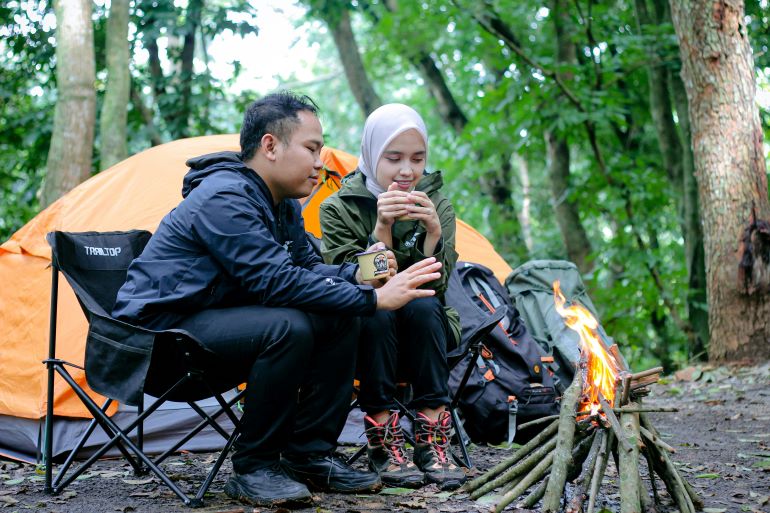
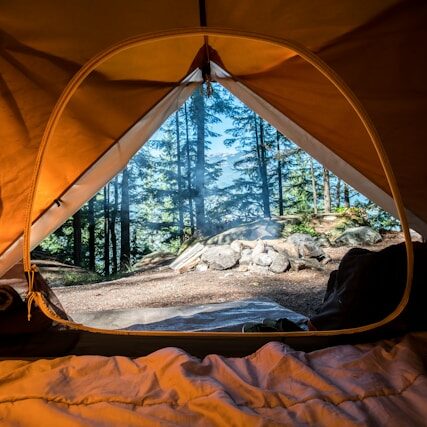
When you have the right equipment by your side, you’ll be properly ready to warm up and enjoy a quiet moment at a forest campsite during cold weather.
Comfort and Safety Make Winter Camping Sustainable
Cold conditions demand gear that works consistently through snow, ice, and long nights. Reliable equipment keeps hands functional, feet warm, and sleep restorative. Cold-weather camping gear that improves comfort and safety also reduces stress during unexpected weather shifts. Confidence grows when shelter holds firm and heat sources perform predictably. Campers gain freedom to plan longer trips and explore colder regions responsibly. Quality winter gear supports smart pacing, better rest, and safer campsites. Therefore, when comfort improves, judgment improves too. That balance turns cold environments into manageable, rewarding outdoor experiences rather than constant survival challenges.